


jeffreycheel9
jeffreycheel9
What’s the Difference in between Freehold And Leasehold Residential Or Commercial Property?
What’s the difference in between freehold and leasehold residential or commercial property?
When you buy industrial residential or commercial property in the UK, you will come across two terms to describe the legal ownership of residential or commercial properties: freehold and leasehold. It’s crucial you understand the difference between the 2 as it will have a substantial impact on your investment, your continuous costs and the responsibilities you should fulfill.
In this guide, we talk about the essential differences between leasehold and freehold residential or commercial properties and the ramifications for your commercial residential or commercial property financial investment.
What is freehold business residential or commercial property ownership?

If you buy industrial residential or commercial property on a freehold basis, you own all the residential or commercial property, consisting of the land itself and any buildings and structures on it. That ownership is not restricted by time, so the residential or commercial property and the land are yours till you choose to offer it or pass it on.
What is leasehold commercial residential or commercial property ownership?
In a leasehold ownership structure, you own the residential or commercial property for a set time period (according to the terms of your lease) however not the land the residential or commercial property is on. Someone else (your property owner) owns the freehold.

As the leaseholder, you undergo terms participated in between yourself and the freehold owner. The lease will run out at some time (although you might be able to extend it), and when it does, ownership of the residential or commercial property returns to the freeholder.
It’s primarily domestic flats that are owned on a leasehold basis, although this type of ownership structure likewise uses to some commercial residential or commercial properties. Leaseholders can ask to buy the freehold of a residential or commercial property at any time. However, their property owner is under no commitment to offer.
Commercial residential or commercial property management
Our business residential or commercial property supervisors supply a variety of services for financiers, occupiers, and residential or commercial property portfolios throughout the UK. Contact our team to learn how we can assist today.
The distinction in between long leaseholds and short leaseholds
Owning a business residential or commercial property on a leasehold basis is often confused with a short-term lease, however the two are extremely various.
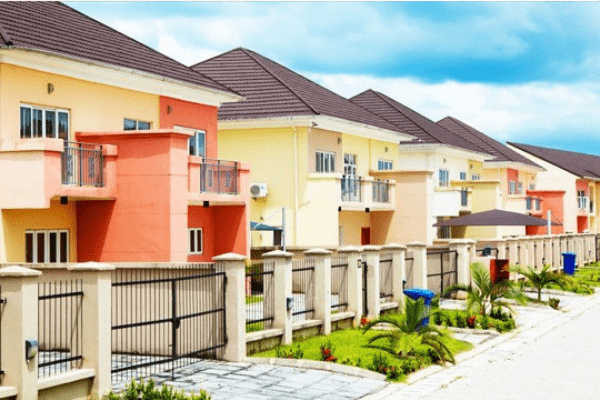
Leasing an industrial residential or commercial property, referred to as a short leasehold, is when you lease a property for a couple of years. For instance, you may sign a three-year lease on a retail outlet or an office area. In this case, you never ever actually own the residential or commercial property. You merely pay the property owner a monthly rent for use of the space.
A long leasehold is really different. In this case, you purchase the residential or commercial property with a single upfront payment, just as you would with a freehold residential or commercial property, and many purchasers will require an industrial residential or commercial property mortgage. You should likewise pay Stamp Duty Land Tax on the purchase, although the rates on industrial freehold and leasehold residential or commercial properties vary.
Long leases can run for a long time, approximately 999 years, and are typically given when a larger structure is split into units. The lease places specific restrictions on how you utilize the part you own, such as a responsibility to keep the building in great repair work or not to make excessive noise.
How do upkeep charges and services vary?
Ground rent is the yearly payment made to the proprietor, or freeholder who owns the residential or commercial property. When looking for a commercial residential or commercial property, we recommend verifying information of the ground rent before signing agreements. Ground lease can be paid at either a fixed, or intensifying rate- which suggests it could increase after the first year.

With a leasehold residential or commercial property, you will not have to pay annual ground lease if you are a freehold owner. You will have to be responsible for preserving the material of the structure, consisting of the roofing and the outdoors walls. If you are a leaseholder, then you are not accountable for keeping and running the structure. Usually, the property owner will appoint a managing representative to do this for them. If there are any major works that the leaseholder would like finished to the residential or commercial property, then they will need to acquire permission from the freehold owner. In many cases, leaseholders share the expenses of paying a service charge to the landlord where you will be asked to pay a sinking fund to cover any unforeseen upkeep work.
Can I get a mortgage on an industrial leasehold residential or commercial property?
Yes. Typically you can get an industrial mortgage on a leasehold residential or commercial property that has at least 40 years to work on the lease. Importantly with long leaseholds, you typically have the right to extend the lease, with the expense based on a defined formula. That provides you some reassurance about the durability of your investment.
How do upkeep fees and service fee differ?
If you purchase a business residential or commercial property on a leasehold basis, you will typically have to pay ground lease to the property owner or freeholder each year. It can be paid at either a fixed or intensifying rate so it could increase after the first year. When thinking about a leasehold commercial residential or commercial property, constantly confirm the information of the ground lease before you commit.
As a leaseholder, you are not responsible for preserving and running the building. That is normally done by a handling representative appointed by your proprietor. However, you might have to pay a service fee to the property owner to cover the cost of the works according to the terms of your lease. If you desire to make significant modifications to the residential or commercial property, you should look for the freeholder’s consent first.
If you buy the freehold of a commercial residential or commercial property, you are solely responsible for preserving the material of the structure, consisting of the roofing system and the outside walls. That could bring considerable costs. However, you can make modifications to the building as you see in shape (as long as you have the relevant preparation and use approvals).
Disputes in between freeholders and leaseholders
Both leaseholders and freeholders have rights that safeguard them in the event of a disagreement. The most common source of contention between the 2 parties associates with fees. Leaseholders can feel that the freeholder is overcharging them or not doing enough to preserve the structure, while freeholders frequently grumble that leaseholders are breaching the terms of their lease.
How to choose your business residential or commercial property ownership type
When searching for a commercial residential or commercial property, you need to comprehend the distinction between leasehold and freeholder ownership and the commitments it brings. Consider your alternatives financially and legally and consult a professional to comprehend which type of ownership best suits your scenarios and requirements.
Whatever type of commercial residential or commercial property you’re searching for, we can assist you discover it and encourage you throughout the process so you can make an informed choice. Learn more about our commercial residential or commercial property agents and get in touch to discuss your requirements with our group.
