



elisemarshall2
elisemarshall2
Mortgagor Vs. Mortgagee: Understanding The Key Differences

Do you understand the difference between a mortgagor vs. mortgagee? It’s an important distinction to clear up before moving on with the purchasing process. Both have special duties and rights. Here’s what you need to understand!
Who is the Mortgagee?

The mortgagee is the bank or financing organization offering a mortgage. In addition to offering loans, mortgagees are also responsible for upholding loan terms. A mortgagee can be a large bank, community bank, credit union, or other financing organization.
Who is the Mortgagor?
If you will become a newbie homebuyer, you can consider yourself a possible mortgagor. This suggests that you remain in a position to desire to obtain funds from a bank or other banks. Borrowers are totally free to browse mortgages and providing choices from various mortgagees.
Roles and Responsibilities
Once you’re able to define mortgagor vs mortgagee, it is necessary to take time to understand the roles and duties both celebrations give the table. With a mortgage loan being a lawfully binding agreement, the responsibilities of the mortgagor and mortgagee must be performed according to the details of the contract. Here’s a look at the core responsibilities of both celebrations.
Mortgagor’s Role and Responsibilities:

– Submits a mortgage application
– Provides truthful, accurate info on all applications and loan files
– Makes installment payments and interest payments
– Meets all deadlines for making on-time payments
– Puts the home up as a security property
– Accepts financing terms
– Agrees to surrender residential or commercial property ownership up until the mortgage is paid completely
Mortgagee’s Role and Responsibilities:
– Review a mortgage application
– Provides the loan
– Decides monetary terms of a loan
– Holds the residential or commercial property ownership throughout the length of the mortgage until payments are fulfilled
– Prepares loan files
– Receives installment payments and interest
– Retains the legal right to sell the residential or commercial property if the mortgagor defaults
Mortgage Agreement
A mortgage arrangement is a contract in between a mortgagor (debtor) and mortgagee (lender) detailing the legal and legal obligations and responsibilities of both. The mortgage contract holds 2 core purposes. The very first is to merely specify the regards to the mortgage for both parties to examine, comprehend, and concur upon. The second is to make an agreement lawfully enforceable. The crucial elements of a mortgage arrangement might consist of:
– Loan quantity
– Rate of interest
– Kind of rate (repaired or adjustable).
– Down payment.
– Repayment terms.
– Payment due dates.
– Loan period.
– Fees and charges.
– Penalties for late payments.
– Rights and tasks of the lender and debtor.
– Legal consequences of failing to adhere to loan terms
For the mortgagor, understanding the conditions of a mortgage agreement is crucial. This is why the Consumer Financial Protection Bureau (CFPB) needs lending institutions to provide borrowers with a five-page document called a Closing Disclosure that provides full and last details relating to a mortgage. This document needs to be supplied a minimum of three company days before closing.
Mortgagor’s Perspective
As the customer, the mortgagor is accountable for paying back a loan completely compliance with the terms of the mortgage arrangement. The mortgager’s experience is greatly affected by the credit rating they are bringing to the table. Mortgagors with higher credit rating can generally look forward to much better rates of interest that ultimately make buying a home more affordable.
Having a credit score of 760 or higher normally earns borrowers access to the very best mortgage rates. While 620 is thought about the lowest rating for being approved for a Traditional mortgage, FHA loans can be authorized with scores as low as 500. Debt-to-income (DTI) ratio is another considerable consider mortgage approval. DTI describes how your general month-to-month debt weighs versus your earnings. While lenders like to see DTIs below 35%, there are cases where they’ll go as high as 45%.
Another major obligation for a property owner is acquiring property owners insurance coverage. Proof of a policy is normally a condition for closing. While mortgagors are totally free to change companies and policies, they should keep their homes guaranteed up until a mortgage is paid off. Obviously, this is clever even if you do not have a mortgage!
Mortgagor’s Rights and Protections
Don’t forget that a mortgage contract is likewise in place to safeguard a mortgagor. A mortgage agreement normally has four significant protections for borrowers. The first is the right of redemption which allows the mortgagor to redeem the residential or commercial property in some scenarios. The second is a transfer to a 3rd party. The third is a right to assessment and production of all documents. Finally, the 4th is the right to make improvements or additions to a residential or commercial property.
Mortgagee’s Perspective
The mortgagee’s primary goal within the context of a mortgage agreement is to remain secured against default. This is why credit rating and credit reliability are prioritized during the approval procedure. Lenders will charge higher rate of interest to debtors with lower credit report to account for the greater threat.
Mortgagees are safeguarded against nonpayment and late payments. When a mortgagor defaults, the mortgagee can seize the residential or commercial property. During what is called the foreclosure procedure, a bank or lending institution will try to sell a defaulted residential or commercial property to recoup the declined.
Where the Mortgagee and Mortgagor Collaborate
The relationship between the mortgagee and mortgagor ought to not be thought of as adversarial even if the nature of the relationship is monetary. In reality, this is a mutually beneficial relationship. By agreeing to terms that secure both celebrations, a mortgagor can buy a home that they would not have the ability to fund in cash. The mortgagee gets the benefit of interest payments that help to money other investments. Here are some crucial terms included in the process:
Credit Score: A borrower’s credit rating is the core barometer of creditworthiness. Borrowers can make modifications to improve their scores in order to be used much better rates.
Rates of interest: As the percentage charged on the loan quantity, the rates of interest has a big effect on what monthly payments will appear like. Borrowers can work with lenders to use down payments or mortgage indicate get rates as low as possible.
Loan Term: The duration for paying back the loan differs depending on which loan the borrower selects. The most popular mortgage is a 30-year loan.
Homeowners Insurance: All mortgaged residential or commercial properties need protection that will supply the complete replacement value of a home.
Debt-to-Income Ratio: Borrowers offer pay stubs and financial transactions to prove DTI to lenders.
Mortgage Agreement: This refers to the legal agreement that describes the regards to a mortgage. As one of the most important files an individual will ever sign, this agreement lays out payments and penalties that will be around for up to thirty years.
Banks: While a lot of debtors acquire mortgages through banks, numerous different kinds of financial entities supply mortgage services.
Credit Union: This is a cooperative banks that can provide mortgages to its members.
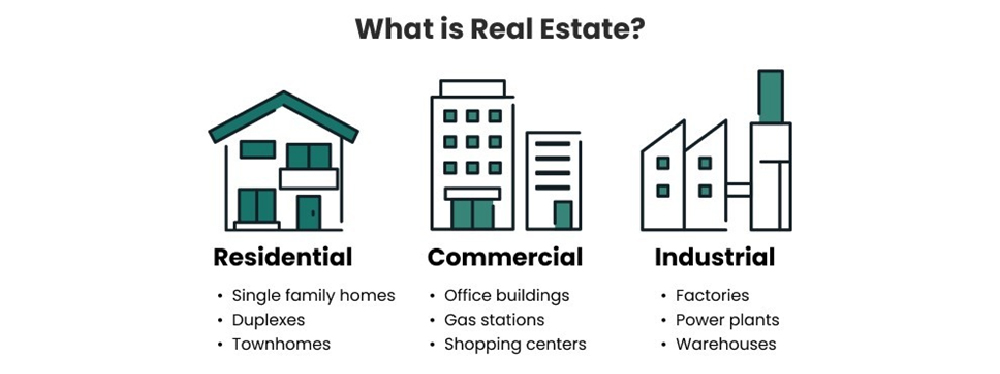
Real Estate: In addition to describing a home, genuine estate covers any residential or commercial property consisting of land and structures. Most loan providers that provide home mortgages likewise provide loans for industrial and rental residential or commercial properties.
Purchase Home: This is the process of acquiring a home. For many individuals, it’s only possible with funding from a lender.
Residential or commercial property Collateral: Collateral is a residential or commercial property pledged as security for the loan. Under a standard mortgage contract, the residential or commercial property that is used as security is the residential or commercial property being mortgaged.
Mortgage Loan: Unlike individual loans, vehicle loan, and other types of loans, a mortgage loan has rigorous specifications that guarantee that the funds are only being used to buy a residential or commercial property.
Insurance plan: All mortgaged homes need property owners insurance coverage that will cover the full replacement expense of a home in the occasion of fire, storm damage, or other types of damage. Proof of a policy must be offered to the mortgagee by the mortgagor at closing.
Borrow Money: Borrowing cash from a lender is the process of acquiring funds after going through the approval process.
Residential Or Commercial Property Taxes: Residential or commercial property taxes are examined and collected by a local tax assessor. While a mortgagee does not benefit from taxes, loan providers typically permit borrowers to lump their tax payments into monthly overalls that are paid with mortgage payments.
Buy Home: For the of Americans, buying a home is done through acquiring a residential or commercial property utilizing a mortgage.
Monthly Mortgage: Different from the complete cost of a home, the month-to-month mortgage payment is the overall that is worked out between the loan provider and borrower based on the loan term, the loan amount, the rate of interest, and any other costs that apply.
Fortunately, mortgagors have time to end up being knowledgeable about the process once they start the buying journey. Lenders take some time to discuss various mortgage alternatives to customers based on several elements that can consist of everything from a debtor’s credit report to for how long they plan to remain in a home. The something that’s certain when it pertains to mortgagor vs mortgagee is that this relationship has been the key to homeownership for millions of Americans!

