

alvarosholl07
alvarosholl07
How The BRRRR Method Builds Passive Income Fast

Property investing may initially appear complicated, however proven techniques like the BRRRR technique can simplify your course toward constructing lasting wealth. BRRRR represents Buy, Rehab, Rent, Refinance, and Repeat, and this effective investing method allows you to repeatedly leverage your preliminary funds to grow a considerable real estate portfolio and produce passive earnings.
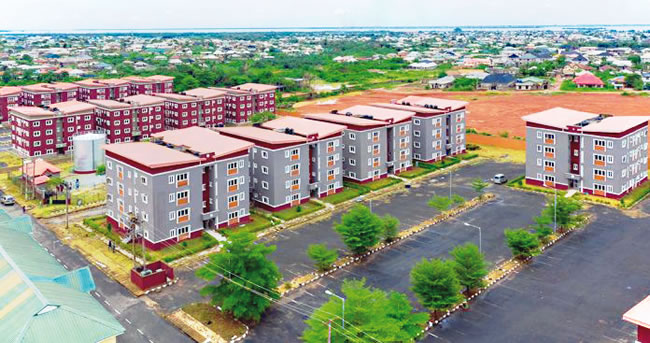
In this in-depth guide, we’ll break down each phase of the BRRRR technique, highlight its benefits and challenges, and help you decide if this method lines up with your monetary objectives.
Just what Is the BRRRR Method?
The BRRRR approach is a financial investment method developed to help financiers quickly expand their property portfolios by recycling the exact same capital through tactical refinancing. Specifically, the method includes acquiring underestimated residential or commercial properties, refurbishing them to include worth, leasing them to reputable tenants, re-financing to take out equity, and then duplicating the procedure once again with new residential or commercial properties.
When performed properly, the BRRRR method lets you regularly reinvest your original capital, intensifying your equity and rental income without requiring substantial extra personal funds.
Step 1: Buy – Finding and Purchasing the Right Residential Or Commercial Property
The secret to success with the BRRRR approach starts with the initial purchase. Ideally, you wish to find residential or commercial properties priced listed below market value-often distressed homes or residential or commercial properties requiring repairs-since they provide the best potential for appreciation after renovations.
To direct your purchasing choices, many skilled investors follow what’s called the 70-75% rule. This guideline advises you never ever to pay more than 70-75% of a residential or commercial property’s After Repair Value (ARV) minus any expected restoration costs and holding expenses.
For example:
If a residential or commercial property’s ARV is $200,000, and you approximate $30,000 in restoration costs and $5,000 in holding expenses, your optimum purchase price calculation would appear like this:
– 75% of $200,000 = $150,000.
– Minus restorations ($ 30,000) and holding expenses ($ 5,000).
– Maximum purchase rate = $115,000
Step 2: Rehab – Strategic Residential Or Commercial Property Renovations
Once you’ve acquired the residential or commercial property, the second phase includes making tactical remodellings developed to increase the residential or commercial property’s worth and attract prospective occupants. It’s important to focus your efforts and budget plan on updates that yield the greatest returns, instead of pricey cosmetic upgrades.
Prioritize renovations that renters value highly, such as:
– Modernizing bathroom and kitchens.
– Installing resilient, appealing flooring.
– Upgrading to energy-efficient windows, doors, and devices.
– Improving curb appeal with landscaping and exterior paint
Step 3: Rent – Finding Quality Tenants
After completing restorations, the next crucial stage is renting the residential or commercial property out to trusted tenants who will produce consistent capital. Securing quality tenants is vital due to the fact that rental income covers your residential or commercial property’s continuous expenses, pays off funding expenses, and ultimately identifies your monthly revenue.
Effective occupant choice starts with thorough marketing-advertise widely utilizing popular rental platforms like Zillow, Apartments.com, Realtor.com, Rent.com, and local community groups. Additionally, think about placing physical indications or local newspaper advertisements to optimize presence.
Tenant screening need to consist of confirming the candidate’s income (normally 2.5-3 times the month-to-month rent), carrying out background checks, and speaking straight with previous property managers to examine reliability and payment history.
If residential or commercial property management isn’t your strength or you wish to scale rapidly, working with a professional residential or commercial property management company can significantly decrease day-to-day needs and enhance occupant relations, helping you broaden your portfolio better.
Step 4: Refinance – Recovering Your Initial Investment
The refinancing stage is the cornerstone of the BRRRR approach. A cash-out re-finance allows you to borrow against the newly enhanced and higher worth of your residential or commercial property, efficiently recuperating your initial mutual fund to reinvest in new residential or commercial properties.
Typically, banks and lenders enable refinancing approximately about 75-80% of the residential or commercial property’s present market worth. However, a lot of lending institutions need a “spices period,” implying you’ll typically need to own the residential or commercial property for around 6-12 months before re-financing ends up being a choice.
It’s crucial to look around for the best refinancing terms-interest rates, payment durations, and closing expenses can vary extensively among loan providers. Often, smaller sized local banks or credit unions use more beneficial terms for cash-out refinancing compared to large institutional lending institutions.
Step 5: Repeat – Scaling Your Portfolio
With your initial mutual fund now recuperated through refinancing, the last step is straightforward yet effective: repeat the entire process with another residential or commercial property. The appeal of the BRRRR approach depends on its scalability; each successful refinancing provides capital to invest in brand-new deals, enhancing your passive earnings streams and broadening your portfolio gradually with time.
Each new cycle of the BRRRR procedure even more increases your wealth-building potential, allowing you to grow a substantial property portfolio while keeping strong capital.
Advantages of the BRRRR Method
When properly performed, the BRRRR method provides a number of substantial benefits:

Consistent Passive Income: Regular rental earnings supplies predictable month-to-month capital.
Rapid Equity Growth: Renovations and gratitude boost residential or commercial property value significantly.
Capital Efficiency: Refinancing lets you recycle your original financial investment consistently.
Tax Benefits: Investors advantage from depreciation, interest reductions, and other tax advantages connected to rental residential or commercial properties.
Quick Portfolio Expansion: Recycled capital allows fast scaling without consistent fresh financial investments.
Challenges and Risks of BRRRR Investing
While the BRRRR method offers substantial benefits, it isn’t without obstacles. Common risks consist of:
Refinancing Risks: Appraisals might come in lower than expected, limiting how much capital you can draw out.
Renovation Pitfalls: Cost overruns or hold-ups can adversely affect profitability and timelines.
Management Demands: Active tenant and residential or commercial property management need considerable effort or expert assistance.
Market Volatility: Market recessions or rates of interest variations can affect re-financing opportunities and residential or commercial property evaluations.
BRRRR vs. Fix-and-Flip – How They Differ
It is very important to note the distinctions between BRRRR investing and fix-and-flip investing. While BRRRR stresses long-term holding, rental earnings, and sustainable wealth building, fix-and-flip methods focus mainly on short-term, one-time benefit from instant residential or commercial property resales.
BRRRR is ideal if you seek long-lasting financial independence through passive earnings and possession accumulation. Fix-and-flip methods are better matched for those thinking about fast returns and hands-on, short-term tasks.
Who Should Consider the BRRRR Method?
The BRRRR approach best fits financiers who:
– Have initial capital to or commercial property investments and restorations.
– Feel comfortable managing professionals, residential or commercial property renovations, and occupant relationships.
– Aim for ongoing passive income and long-term financial freedom.
– Prefer scalable methods that compound wealth over time.
If the BRRRR technique isn’t a best match for your objectives, other real estate financial investment techniques include:
Traditional Buy-and-Hold: Purchase residential or commercial properties as-is and rent long-lasting without refinancing.
Fix-and-Flip: Quickly remodel and resell residential or commercial properties for short-term gains.
Turnkey Investments: Purchase residential or commercial properties currently refurbished, tenanted, and expertly handled.
Real Estate Investment Trusts (REITs): Invest passively through managed genuine estate funds.

Getting Going with BRRRR Investing
To effectively carry out the BRRRR approach, start by:

– Conducting in-depth marketing research to determine successful deals.
– Networking with reputable lenders, experienced specialists, and reputable residential or commercial property supervisors.
– Defining clear financial investment requirements, renovation plans, and funding techniques.
– Beginning with manageable deals to get experience and develop your self-confidence.
Ready to Invest?

At Henderson Investment Group, we understand that the BRRRR approach is a powerful and tested course to attaining monetary self-reliance through realty. By carefully carrying out each action of the process, managing your risks responsibly, and maintaining disciplined financial practices, you can construct a profitable and sustainable genuine estate portfolio.
Are you prepared to utilize the BRRRR strategy and unlock your complete investment capacity? Join Henderson Investment Group and begin searching financial investment residential or commercial properties now!