



evonnebinette9
evonnebinette9
How to use Rehab Loans for Investment Properties: a Complete Guide

Rehab loans for financial investment residential or commercial properties offer a special opportunity genuine estate investors to acquire and renovate residential or commercial properties with capacity. These loans combine the purchase rate and renovation costs into a single mortgage, making it easier to finance fixer-uppers and turn them into rewarding investments. With choices like the FHA 203(k) loan, investors can access funds for home enhancements and increase the worth of their investment residential or commercial properties.

This guide will explore the key considerations before getting a rehabilitation loan, techniques for discovering rehab-eligible residential or commercial properties, and tips for developing a reputable rehabilitation team. It will likewise cover long-lasting success techniques with rehabilitation finance and supply insights on making the most of rois residential or commercial properties. By the end, readers will have an extensive understanding of how to utilize rehab loans to grow their property portfolios efficiently.
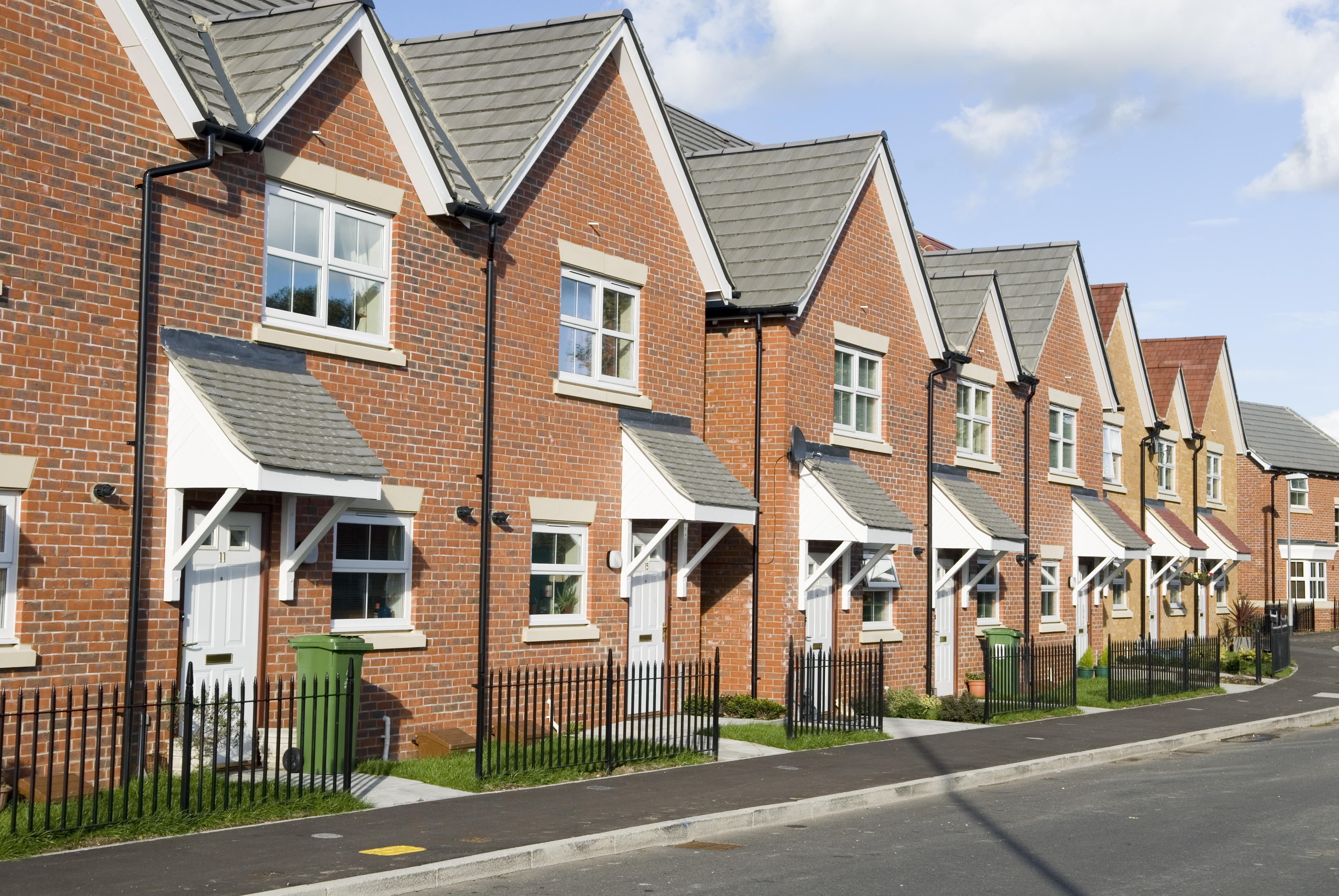
Key Considerations Before Getting a Rehab Loan
Assessing Your Investment Goals
Before diving into rehab loans for investment residential or commercial properties, it’s crucial to examine your investment objectives. Rehab loans can be a powerful tool to build wealth quickly, specifically when handling fixer-uppers. These residential or commercial properties often include less competition, permitting investors to develop substantial equity in a brief time through strategic improvements. However, it’s important to think about whether the prepared renovations will increase the residential or commercial property’s worth and if you’ll still make an earnings after accounting for all costs.
Evaluating Your Financial Situation
When thinking about rehab financing, evaluating your financial standing is essential. Lenders usually look at credit ratings, earnings, and debt-to-income ratios. For an FHA 203(k) loan, a credit rating of a minimum of 500 is required, with a minimum down payment of 3.5% for ratings above 580. It’s likewise crucial to aspect in the expenses of remodellings, prospective unforeseen expenses, and the greater rate of interest typically associated with rehab loans. Creating a comprehensive spending plan that represents all potential expenses, consisting of products, labor, and permits, is important for success.
Understanding the Risks Involved
While rehabilitation loans offer significant capacity, they come with fundamental risks. Market fluctuations can impact residential or commercial property values, and unexpected remodelling problems can quickly lower profits. It’s essential to perform extensive research study and be gotten ready for these possibilities. Additionally, the remodelling procedure can be complex, needing cautious planning and execution. Working with experienced specialists, consisting of specialists and property representatives familiar with rehab tasks, can help mitigate these risks and make sure a smoother restoration procedure.
Strategies for Finding Rehab-Eligible Properties
Working with Real Estate Agents

Realty agents can be valuable allies in the mission to find rehab-eligible residential or commercial properties. They typically have access to listings that aren’t openly available and can bring offers directly to financiers. Agents knowledgeable about rehab projects can assist determine residential or commercial properties with capacity for substantial value boost through remodellings. By partnering with representatives, investors can potentially double their commission, creating a win-win scenario. This partnership can result in finding residential or commercial properties that might sell for twice their current value after rehab.
Searching Foreclosure and Short Sale Listings
Foreclosures and brief sales present distinct chances for financiers looking for rehab-eligible residential or commercial properties. These residential or commercial properties frequently require remodellings, making them perfect candidates for rehab loans such as the FHA 203(k) loan. Foreclosed homes are typically sold by banks eager to recoup their losses, potentially leading to below-market costs. Short sales, where property owners cost less than they owe on the mortgage, can likewise provide bargains. Investors can find these listings through online resources, bank websites, and government firms like Fannie Mae and Freddie Mac.
Connecting with Other Investors
Building relationships with fellow investors can open doors to valuable opportunities in the rehab residential or commercial property market. Joining genuine estate financial investment groups and participating in market events can assist broaden your network and gain insights into possible deals. Collaborating with other investors on joint ventures permits for pooling resources and tackling bigger jobs. Investment clubs provide an encouraging neighborhood for sharing understanding and participating in group financial investments. By fostering these connections, financiers can stay notified about market trends and gain access to off-market residential or commercial properties with rehab potential.
Building Your Rehab Team
Finding an Educated Lender
When seeking rehabilitation loans for financial investment residential or commercial properties, it’s crucial to find a lender experienced with FHA 203(k) loans. These lenders comprehend the nuances of remodelling financing and can assist investors through the complex procedure. Look for lenders who have successfully completed multiple 203(k) jobs and can supply a list of professionals they have actually dealt with. An experienced lender will assist you navigate the documents and make sure all requirements are satisfied for a smooth loan approval procedure.
Selecting Qualified Contractors
Choosing the ideal professional is crucial for the success of your rehabilitation task. When handling FHA 203(k) loans, it’s necessary to work with professionals knowledgeable about the program’s requirements. Verify their credentials, including licenses, insurance coverage, and referrals. Don’t hesitate to ask for examples of their previous 203(k) projects. Remember, the most affordable option isn’t always the very best; prioritize quality and experience to prevent costly mistakes. A trusted specialist can make or break your investment residential or commercial property remodelling.
Dealing with a Realty Attorney
While not constantly required, speaking with a real estate attorney can be a wise choice when using rehab loans for investment residential or commercial properties. A lawyer can evaluate contracts, ensure proper title transfers, and assist solve any legal concerns that might occur throughout the renovation procedure. They can also help with preparing leases if you prepare to rent the residential or commercial property before selling. Having legal expertise in your corner can secure your investment and provide assurance throughout the rehabilitation procedure.
Long-Term Success with Rehab Loans
Scaling Your Investment Portfolio
Rehab loans for investment residential or commercial properties use an effective way for investors to optimize their returns and grow their realty portfolios. By leveraging these loans, investors can increase their buying power and achieve substantial returns on their financial investment. The BRRRR method (Buy, Rehab, Rent, Refinance, Repeat) is a popular method for scaling an investment portfolio utilizing rehabilitation finance. This method permits investors to get underestimated residential or commercial properties, renovate them, and construct equity through gratitude and rental income.
Refinancing Strategies After Renovation
After completing renovations, investors have a number of alternatives to consider. One strategy is to re-finance the residential or commercial property to access the recently produced equity. This can be done through a cash-out re-finance, which allows financiers to take out funds for future investments or enhancements. However, it’s essential to keep in mind that the majority of loan providers require a loan-to-value ratio of no greater than 80 percent. Refinancing can also supply an opportunity to secure more favorable loan terms or eliminate personal mortgage insurance coverage, potentially causing lower regular monthly payments.
Tax Implications of Rehab Investments
Investors should understand the prospective tax implications connected with rehab investments. Using funds from a cash-out refinance for home improvement jobs might produce chances for tax reductions. Additionally, energy-efficient upgrades made during renovations may receive energy tax credits. However, tax laws are intricate and ever-changing, so it’s essential to speak with a tax expert for customized guidance on prospective benefits or implications associated with rehab financial investments.
Maximizing the Potential of Rehab Loans: Key Steps for Long-Term Investment Success
Rehab loans for financial investment residential or commercial properties offer a powerful tool to grow your property portfolio and boost returns. By integrating purchase and renovation expenses into a single mortgage, these loans make it simpler to finance fixer-uppers and turn them into rewarding financial investments. With cautious planning, a strong group, and clever methods, financiers can use rehab loans to create substantial worth in residential or commercial properties and build long-lasting wealth through property.
To take advantage of rehab loans, it’s vital to evaluate your financial investment objectives, comprehend the dangers, and develop a trusted team. Finding the right residential or commercial properties, dealing with experienced specialists, and planning for long-term success are key steps in the procedure. By leveraging these loans wisely and staying notified about market trends and tax implications, financiers can turn rehab tasks into profitable opportunities and gradually grow their genuine estate portfolios.
Prequalify Now!
FAQs
1. What types of residential or commercial properties receive rehab loans?
Rehab loans, such as the FHA 203(k), normally cover single-family homes, multi-family residential or commercial properties (approximately 4 systems), and particular mixed-use residential or commercial properties. However, some loan providers may also think about distressed commercial residential or commercial properties for rehab loans under .
2. The length of time does it take to close on a rehabilitation loan?
The timeline for closing on a rehabilitation loan can be longer than a conventional mortgage due to the extra paperwork and assessment processes involved. Typically, it may take in between 45 to 60 days to close on a rehabilitation loan, depending upon the intricacy of the project and lending institution requirements.
3. Can I live in the residential or commercial property while remodeling with a rehabilitation loan?
Yes, with certain rehab loans like the FHA 203(k) loan, you are permitted to reside in the residential or commercial property during restorations, offered the home stays habitable. However, substantial renovations may require short-lived moving till the work is completed.

4. Exist any limitations on the types of renovations enabled with rehab loans?
Rehab loans normally cover necessary repairs that enhance the residential or commercial property’s value, security, and livability. Cosmetic upgrades, structural repair work, and energy efficiency improvements are generally permitted. However, luxury additions, like pool or outdoor kitchens, may not be qualified under certain rehab loan programs.

5. What happens if the remodelling expenses surpass the preliminary loan quantity?
If restoration expenses go beyond the initially approved loan quantity, you might have to cover the extra costs out of pocket. It’s important to have a detailed budget and contingency plan in place to account for unanticipated costs throughout the remodelling process.

